





Nicotine Pouches
Nicotine pouches are small, discreet and easy to use almost anywhere. That's exactly what makes them easy to underestimate. Here's what's really inside a pouch, what harm it can do to your body and how to quit nicotine pouches when you're ready.
- — Youth Vaping
- — Brain Damage
- — Heart & Lungs
- — Oral Problems
- — Immune System
- — How to Get Help
YOUTH VAPING
Vaping is an epidemic that puts kids, teens and young adults at risk. There are a million ways to teach about addiction, nicotine and the harmful effects of vaping. The risks are not worth the hit. One puff can lead to a nasty nicotine addiction, damage to your brain function, lung or heart disease, tooth decay and more.
Learn more about tobacco use in middle school or in young adults.
BRAIN DAMAGE
Did you know that your brain continues to develop until the age of 25? During this time in life, the brain is super vulnerable. This means that kids and teens are at an increased risk of suffering the lifelong effects of tobacco.
These effects are irreversible and can cause:
- Difficulty learning
- Decreased memory
- Increased risk of substance abuse
- Anxiety
- Depression
- Suicidal tendencies
- Nicotine dependency
- Decreased impulse control
- And more
HEART & LUNGS
Inhaling aerosols from a vape pen poses a serious threat to your lung health. “Fun” flavors can be extra risky. Along with the possibility of inhaling nicotine, there is a slew of chemicals in aerosol that can be harmful, according to the American Lung Association.
Many ingredients in e-cigarettes — even those without nicotine — are toxic and can cause damage to your lungs. These are just some of the emissions that can be detrimental:
- Ultrafine particles
- Acetaldehyde and formaldehyde — cause lung disease and heart disease
- Diacetyl — linked to lung disease
- Volatile organic compounds like benzene — found in car exhaust
- Acrolein — a weedkiller that can cause lung injury, COPD, asthma and lung cancer
- Heavy metals like nickel, tin and lead
You may even increase your risk of heart disease to the same level as a commercial cigarette. Most people with this disease are much older, but you could experience them much sooner by vaping. Blood flow to your heart may end up lower than that of traditional smokers, according to the American Heart Association.
Contracting heart or lung disease could mean losing your life.
ORAL PROBLEMS
Vaping puts you at a higher risk of experiencing symptoms like these:
- Dry mouth — which leads to bad breath, sores and tooth decay
- Periodontal disease — which damages gums and can damage the jaw
- Cavities — which may come from acidity in vape juice
- Tooth and bone loss
- Receding gums
43% of e-cigarette users,
73% of smokers
& 28% of non-tobacco users...
... in the United States have gum disease and oral infections.
IMMUNE SYSTEM
White blood cells called neutrophils make up 50-70 percent of your white blood cells, and they play a huge role in fighting off illness. Even without nicotine, e-cigarette vapor has been proven to interfere with the effectiveness of white blood cells.
When exposed to this vapor, the affected white blood cells have a slower response to fighting infections. They also lose the ability to produce the necessary chemicals to complete their task. That makes you more vulnerable to diseases like COVID-19, the flu and more. Teens and young adults may be five times more likely to test positive for COVID-19 if they have vaped.
HOW TO GET HELP
There's nothing wrong with asking for help.
The best way to stop vaping or to get help for someone else is to talk to a trusted adult like a parent, guardian, teacher or other family member. Healthcare professionals can be even more helpful.
Bring up the situation, explain the problem and let them know your feelings on the matter. Speak calmly, and answer any questions they may have.
Then don't wait to get help if you need it.

STARTLING STATS
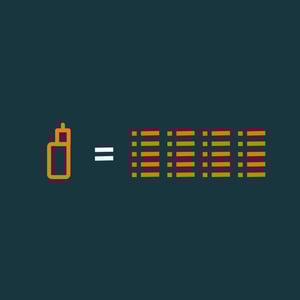
These devices are creating a new generation of smokers with serious health problems. E-cigarettes are not safe for youth or adults. Check out these statistics:





Quit Today
People who use Quitline Coach are 2x more likely to quit and stay QUIT!
Connect with a Quitline Coach Today

Are Nicotine Pouches Safe?
No. Nicotine pouches are not safe, and they aren't approved to help you quit.
So, are nicotine pouches bad for you? Yes. They deliver nicotine, which is highly addictive and hits hardest for teens, young adults and anyone who's pregnant.
Nicotine squeezes your blood vessels tighter. Your heart beats faster, your blood pressure climbs and your odds of a heart attack or stroke go up, especially if you already have heart disease.
A brain that's still growing is especially vulnerable. In teens and young adults, nicotine can make it harder to focus and control impulses, and it can prime the brain for addiction to other substances, too.
Researchers are still learning about the short- and long-term health effects of nicotine pouches. What we already know is reason enough to think twice.
Start Your Quit
what happens if you swallow a nicotine pouch? keep them out of reach.
Swallowing a nicotine pouch can cause nicotine poisoning, with signs that range from nausea, vomiting and headaches to dizziness, seizures and trouble breathing. Reports of young children swallowing nicotine pouches jumped 763% from 2020 to 2023. Store them somewhere locked, not in a purse or backpack, and save the Poison Help line in your phone: 1-800-222-1222.

Quit & Stay Quit
Everybody quits differently. Your quit journey is your own, and only you know what works for you. Find the method that fits into your journey to put out that cigarette, shut off the vape pen or close the tin for the last time. Start your quit journey today, and get back to your life!
Read More
Phone Coaching
Get help from a Quitline phone coach. Your coach will be there for you every step of the way.
Get Started
Kickstart Kit
Kick the habit with the FREE Kickstart Kit, which ships to your door with cessation medication and the Quit Guide.
Get Your Kit
Quit Guide
Skip the coaching and medication for now. Start your journey with the FREE Quit Guide to quit when you are ready.
Get the Guide
Whether you are a parent, a pregnant or postpartum woman or a senior, learn more about the threat of tobacco.

Let's clear the air. Tobacco can affect you physically and mentally. Don't throw away your health for an addiction.

Smoking tobacco stifles traditions. Keep nicotine from your lungs to save more breath for telling your story.