





HOW YOUNG IS TOO YOUNG?
NEW TRENDS SHOW KIDS ARE VAPING EARLIER THAN YOU THINK
Think vaping is just a high school problem? You’re not alone. Many adults assume tobacco use starts sometime in the teen years. But new research is telling a different story: kids are experimenting with nicotine earlier than most people realize. In fact, some are getting hooked before they even hit middle school.
It’s a quiet trend that’s been flying under the radar, and it’s one that parents, teachers, and communities need to be talking about. Because the truth is, by the time we think they’re ready for “the talk” about vaping or tobacco, they may already be trying it.
WHAT THE NUMBERS ARE TELLING US
Every year, the CDC’s National Youth Tobacco Survey offers a snapshot of how young people are using nicotine. And lately, that picture is more surprising than ever.
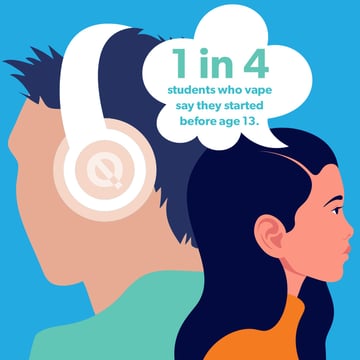
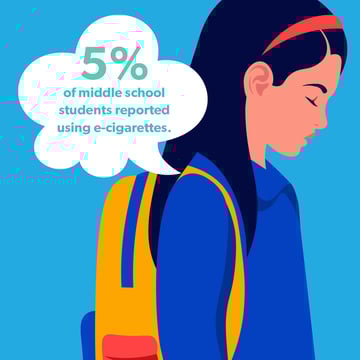
A 2024 study found that nearly 5% of middle school students reported using e-cigarettes. And a growing number of elementary-aged children are experimenting, too. One in four students who vape say they started before age 13. Even more striking: some report first trying nicotine products as young as 9 or 10.
And it’s not just vaping. Flavored nicotine pouches, mini-cigars, and other smokeless products are becoming more popular among younger kids, especially those drawn in by colorful packaging and sweet, candy-like flavors. Why the early start? It’s a mix of easy access, peer influence, and a growing misconception that “vaping isn’t really harmful.”
WHY IT’S STARTING YOUNGER
There’s no single reason kids are starting to vape earlier, but there are a few key factors driving the trend.
-
Flavors and packaging that appeal to kids:
Many vape products are designed to look and smell like candy or fruit. “Strawberry milk,” “cotton candy,” and “blue razz” are just a few of the kid-friendly flavors still on the market. The devices themselves are often small, colorful, and easy to hide. Some even look like highlighters or USB drives. -
Social media exposure:
TikTok, Snapchat, and YouTube are filled with vape-related content, from “how-to” videos to influencer endorsements. Kids as young as 10 or 11 are watching this content and often don’t understand the risks involved. -
Access is easier than you think:
Despite age restrictions, young users report getting vape products from older friends or siblings, or even ordering them online. Some local retailers still don’t check ID as carefully as they should. -
Lack of early education:
Many schools don’t start serious conversations about nicotine until high school, by which point many kids have already been exposed to it. Waiting until age 15 or 16 is often too late.
WHY IT MATTERS
Early exposure to nicotine isn’t just a harmless phase, it can have lasting effects on a child’s brain and body. The adolescent brain is still developing, and nicotine interferes with that process. Studies show it can affect attention, memory, mood regulation, and impulse control. Kids who start using nicotine before age 13 are also more likely to become addicted and to use other substances later on.
There’s also a big knowledge gap. Many younger kids genuinely don’t understand what they’re using. Some believe vapes are “just flavored water,” or that “there’s no nicotine in it.” Without clear education and adult guidance, they’re relying on peers and the internet for information, and that’s rarely a safe bet.
And let’s not forget the emotional toll. For kids who become dependent on nicotine at a young age, it can lead to anxiety, irritability, sleep issues, and lower academic performance. It’s not just a health issue, it’s a quality-of-life issue.
WHAT PROVIDERS AND ADULTS CAN DO ABOUT IT
The good news? There are steps parents, providers, educators, and community members can take to help stop the trend, starting with having conversations earlier.
-
Start young — earlier than you think:
Don’t wait until high school. Kids as young as 9 or 10 are capable of understanding what nicotine is and why it’s harmful. Keep it age-appropriate, but don’t shy away from the topic. -
Ask questions, don’t lecture:
Open up a dialogue by asking what they’ve seen or heard about vaping. What do their friends think? What have they seen on YouTube or TikTok? Listen first, then guide. -
Learn the warning signs:
Look out for fruity or sweet smells, unfamiliar devices or chargers, or changes in mood and behavior. These can all be signs of nicotine use. -
Advocate for prevention in schools:
Support programs that bring tobacco and vape education into upper elementary and middle school classrooms. Early education works, and it’s more effective when kids hear consistent messages from both teachers and parents.
A FINAL THOUGHT
Most adults wouldn’t dream of giving a 10-year-old an energy drink or a double espresso. But the reality is that many kids are already using products that contain just as much, or more, addictive stimulants, often without realizing it.We can’t protect our kids from everything. But we can make sure they understand the risks of nicotine and feel empowered to say no. That starts with knowing the facts and having the conversations earlier than we ever thought we’d need to.
HELP YOUR CHILD QUIT
If your child is 13 or older, the SD QuitLine is a great tool to help your child through their quit. Learn about the programs here.
*South Dakota QuitLine services are free with proof of insurance or Medicaid information. Not insured? Reach out for other options.
Sources:
- CDC – National Youth Tobacco Survey (NYTS)
- Truth Initiative – Youth Vaping Trends
- Campaign for Tobacco-Free Kids
- U.S. Surgeon General’s Advisory on Youth E-Cigarette Use
- Journal of the American Medical Association (JAMA Pediatrics)
- FDA – Youth Tobacco Prevention Plan
- National Institute on Drug Abuse (NIDA) – Monitoring the Future Survey